Average Reviews:

(More customer reviews)Are you looking to buy Urban Blues (Phoenix Books)? Here is the right place to find the great deals. we can offer discounts of up to 90% on Urban Blues (Phoenix Books). Check out the link below:
>> Click Here to See Compare Prices and Get the Best Offers
Urban Blues (Phoenix Books) ReviewUnfortunately, most people who actually know something about RnR and RnB are too old to look like they do to younger readers who think Buddy Guy is first generation. Most thirtysomethings (or fortysomethings) think rock is rock 'n roll and rock 'n roll is rhythm and blues and rhythm and blues is blues.Today, the actual people who created modern urban blues forms are unknown to young rock revisionists. But they weren't unknown to Charles Keil. He traces and authoritatively compares the various styles of blues, showing that the electric forms that led to rock were as important and significant as the blues music put out in the twenties and thirties.
Duh, you say. Well when this book was written, there were no books on the subject of modern (1950s-1960s) blues around. Especially none written for a black or knowledgable white audience. This is the book that started the black-oriented musical criticism necessary to understand the main tap root to rock 'n roll.
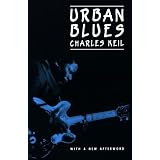
Although the first of its kind, it still remains fresh with very little material the would need updating today. When I got my copy in the mid sixties, I stopped everything and read it cover to cover underlining all the important parts. As I say, Urban Blues was the first and still one of the few to get it right. Bedrock.Urban Blues (Phoenix Books) OverviewCharles Keil examines the expressive role of blues bands and performers and stresses the intense interaction between performer and audience. Profiling bluesmen Bobby Bland and B. B. Kind, Keil argues that they are symbols for the black community, embodying important attitudes and roles—success, strong egos, and close ties to the community. While writing Urban Blues in the mid-1960s, Keil optimistically saw this cultural expression as contributing to the rising tide of raised political consciousness in Afro-America. His new Afterword examines black music in the context of capitalism and black culture in the context of worldwide trends toward diversification."Enlightening. . . . [Keil] has given a provocative indication of the role of the blues singer as a focal point of ghetto community expression."—John S. Wilson, New York Times Book Review
Want to learn more information about Urban Blues (Phoenix Books)?
>> Click Here to See All Customer Reviews & Ratings Now

0 comments:
Post a Comment